How to Grow Zinnias: Varieties, Care Tips, and Why They’re the Best Flower in the Garden
Thank you so much for visiting! This post may contain affiliate links that I receive commissions from purchases made. Click HERE for my disclosure statement.
a
Everything you need to know about growing zinnias in Florida, from the best varieties for cutting and pollinators to keeping them blooming all season long.
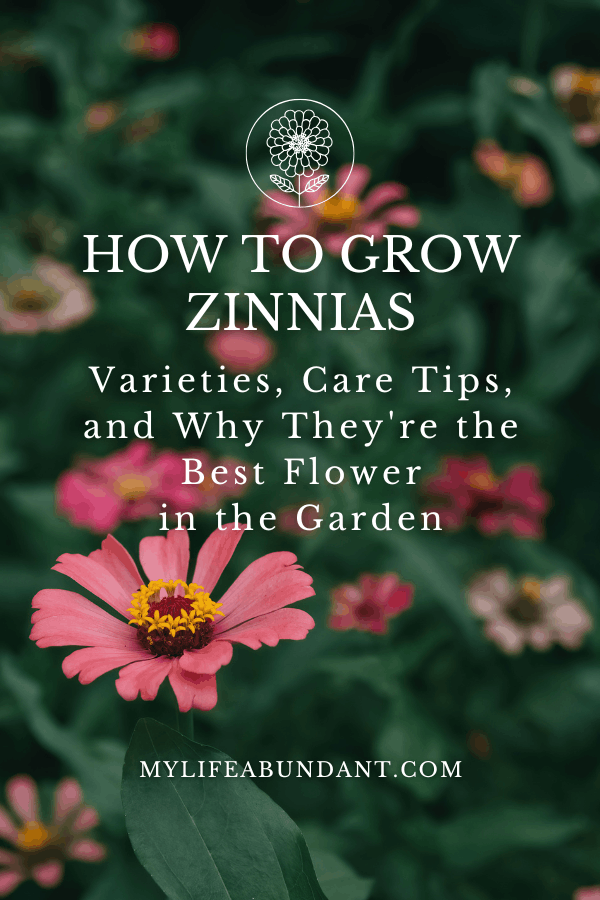
If you only grow one flower in your Florida garden or any garden, make it a zinnia. I know that’s a bold statement, but after years of gardening in Zones 6, 8, and 9, I keep coming back to them every single season. They’re tough, they’re fast, they come in practically every color and size you can imagine, and they bloom like they’re getting paid for it. The butterflies and hummingbirds go absolutely wild over them, too, which is a bonus I never get tired of.
Whether you’re just getting started with flower gardening or you’ve been at it for years and want to try some new varieties, this post has everything you need to know about growing zinnias from seed to full bloom.
Why Zinnias Are Perfect for Florida Gardeners
Florida gardening is its own beast. The heat, the humidity, the weird rainy season that turns your yard into a swamp for months and not every flower can handle it. Zinnias can. They actually like heat, which puts them way ahead of a lot of annuals that throw a fit by July.
They’re also incredibly fast. We’re talking blooms in about 60 days from direct sowing, sometimes less. That kind of quick payoff is deeply satisfying when you’ve been staring at a bare patch of dirt for two weeks.
Here in Central Florida, I plant zinnias twice a year, once in early March or April when the overnight temps stay above 50°F, and again in early September for fall color before the season winds down. I normally plant colorful spring colors in the spring and fall color zinnias in the fall. They can get a bit stressed in late summer because of the heat, but if you succession plant and keep deadheading, you can stretch out the season pretty well.
Zinnia Varieties Worth Growing
This is the fun part. There are so many zinnia varieties that it can feel overwhelming at the seed rack, so let me break down some of the best ones by what you’re actually going for.

For Cutting Gardens: Benary’s Giant
Benary’s Giant is probably the most well-known cutting zinnia, and for good reason. The plants grow to 3 to 4 feet tall. The blooms are enormous, sometimes 5 inches across. They come in a beautiful range of colors, including coral, wine, orange, scarlet, salmon, and white. If you want zinnia bouquets that look like you bought them at a fancy farmers’ market, Benary’s Giant is your answer.
For a Cottage Garden Feel: Oklahoma Series
Oklahoma zinnias are a little different in that they produce smaller, thinner-petaled flowers that move beautifully in the breeze. They’re more prolific than Benary’s Giants and tend to branch out like crazy, which means more stems for cutting. The colors are rich, like deep purples, burnt oranges, and pinks, and they have a more old-fashioned look that I find really charming. I love the light pink series.
For Pollinators: Profusion Series
The Profusion zinnias are a hybrid series developed specifically for disease resistance and heat tolerance, which makes them a smart choice for our climate. The plants stay more compact (around 12 to 18 inches), and they produce tons of single or semi-double flowers that pollinators absolutely go crazy for. If you’re trying to attract monarchs during migration season, plant a big patch of these. This variety is perfect for borders, and mine usually grow about 6 inches tall.
For Something Unexpected: Zowie Yellow Flame
What I love the most about zinnias is that in Florida, you can grow them basically all year long. About midsummer, I love to plant a pot full of orange or yellow zinnias. The Zowie Yellow Flame zinnia fits that bill. It has bright yellow petals with a vivid orange-red center that creates this almost electric two-tone look. It won an All-America Selections award a while back, and it’s still one of the most striking colored zinnias you can grow. It also holds up really well in heat and has good disease resistance.
For a Vintage Look: Peppermint Stick and Candy Stripe
If you love the old-fashioned cottage aesthetic (and if you’re a thrift and vintage person like me), seek out the striped and bicolor zinnia varieties. Are these zinnias not stunning! Peppermint Stick and Candy Stripe have flowers with streaks and splashes of contrasting color, like red with white, pink with cream, and orange with yellow. Every bloom looks a little different. They’re so pretty tucked into mason jar arrangements. My next zinnia variety to grow in a pot for the front porch.
For Small Spaces: Thumbelina
Thumbelina zinnias are miniature; they stay about 6 inches tall and are perfect for containers, borders, and window boxes. The flowers are small but plentiful, and they come in all the classic zinnia colors. If you’re gardening on a patio or balcony, this is the variety to try. I have this variety growing in a pot for the back porch that I started from seeds.
How to Plant Zinnias
Zinnias do not like to have their roots disturbed, so direct sowing in the ground is almost always better than starting them in trays and transplanting. The seeds are big and easy to handle, and they germinate quickly, usually within 5 to 7 days in warm soil.
Here’s what I do. I wait until my soil temperature is consistently at 60°F or warmer. I use a soil thermometer, but living in Florida, most of the year, the soil is that temperature. Then I direct-sow the seeds about 1/4 inch deep and 6 inches apart. Once they sprout and get a few inches tall, I thin them to 12 inches apart for most standard varieties or 18 inches apart for the really large types like Benary’s Giant. I know thinning is hard; I hate it too, but zinnias need good airflow to stay healthy, and overcrowding is one of the main reasons people have problems with powdery mildew.
If you really want to start seeds indoors for some reason, do it no more than 4 to 6 weeks before your transplant date and handle the seedlings gently. But honestly? Just direct sow. They’re so fast it’s not worth the extra fuss.
Sunlight
Full sun, all day. Six hours is the minimum, and more is better. Zinnias planted in shade or partial shade will get leggy, bloom less, and be way more prone to disease. This is not a flower that tolerates compromise on sunlight.
Soil and Watering
Well-draining soil is important. Florida’s sandy soil actually works in your favor here, and zinnias hate wet feet. I do amend with some compost before planting to improve the nutrient content, but I don’t stress too much about soil perfection.
For watering, try to water at the base of the plant rather than overhead. Wet leaves are an invitation for powdery mildew. Drip irrigation or a soaker hose is ideal. I water deeply, and once the plants are established, they’re pretty tough and don’t need to be babied. They wilt from extended time without water, but bounce right back with some water.
Fertilizing
Zinnias are not heavy feeders, but they appreciate a little boost. I use a balanced slow-release fertilizer at planting time, then side-dress with a liquid fertilizer like fish emulsion or Jack’s 10-30-20 every few weeks during the growing season. Too much nitrogen will give you lots of green leaves and fewer blooms, so don’t go overboard. I lean toward fertilizers with a higher phosphorus number (that’s the middle number) to encourage flowering.
Deadheading: The Secret to More Blooms
This is the single most important thing you can do to keep zinnias producing all season. Deadheading. Removing spent blooms before they go to seed tells the plant to keep making more flowers. When you let the flowers sit and set seed, the plant thinks its job is done and starts to decline.
I deadhead zinnias every few days during the height of the season. I use sharp pruning shears and cut the stem back to just above a set of leaves or a side branch. This not only removes the dead flower but also encourages branching, which means more bloom stems.
If you’re growing zinnias as cut flowers, you’re essentially deadheading every time you harvest. All you have to do is just cut the stem long and put it in a vase.
Dealing with Powdery Mildew
Powdery mildew is a real problem with zinnias in humid summers. You’ll notice it as a white or grayish powdery coating on the leaves. It usually shows up when you have warm days, cool nights, and poor air circulation. I really haven’t had an issue with powdery mildew, but I know others who have.
The best prevention is spacing plants properly and avoiding overhead watering. If you already see mildew starting, remove the affected leaves and treat with a diluted neem oil spray in the early morning so it has time to dry before the heat of the day. Some gardeners swear by a baking soda and water solution as well.
If powdery mildew is consistently a problem for you, switching to more resistant varieties like the Profusion series or Zahara series makes a big difference.
Saving Zinnia Seeds
Zinnias are one of the easiest flowers to save seeds from, and it’s a really satisfying thing to do. Wait until a flower head has completely dried on the plant and looks brown and papery. I usually let this happen when the plant is done for the season. Then pinch off the petals, and you’ll find the seeds right at the base of each petal. They’re arrow-shaped and easy to see.
Spread them out to dry completely for a few more days, then store in an envelope or old prescription bottle in a cool, dry place. Label them! I can’t tell you how many mystery seed envelopes I’ve ended up with over the years.
One thing to keep in mind is that if you’re growing hybrid varieties like Profusion or Benary’s Giant, the seeds won’t come back true to the parent plant. You’ll get variation. That can actually be fun and lead to some interesting new colors, but if you want predictability, stick to open-pollinated heirloom varieties for seed saving.
Zinnias as Cut Flowers
Few things make me happier than a big blue mason jar of zinnias on the kitchen table. To get the longest vase life, cut stems in the morning when it’s still cool, choosing flowers that are about 3/4 open rather than fully open blooms. Stick them in a bucket of cool water immediately.
Before arranging them, strip off any leaves that would sit below the waterline, then give the stems a fresh cut at an angle. Zinnias typically last 7 to 10 days in a vase with clean water and a splash of flower food. Change the water every couple of days, and they’ll stay looking good even longer.
Quick Reference: Growing Zinnias in Florida
Start seeds directly in the ground when soil temps hit 60°F or above. Plant in full sun with well-draining soil. Water at the base, not overhead. Thin to 12 to 18 inches apart for good airflow. Deadhead regularly to keep blooms coming. Watch for powdery mildew in humid weather and treat with neem oil if needed. The profusion flower above is what I like to plant for fall.
Best planting windows in Central Florida: late February through March, and again in early September.
Honestly, if zinnias aren’t already in your garden, I hope this convinces you to give them a try. They’re one of those flowers that give so much more than you put in. What varieties are you growing this season?
I would love to hear what’s working in other gardens and your favorite zinnia variety!
Garden Inspiration
My Garden Favs
Check out my favorite garden supplies essential for anyone growing beautiful plants.
subscribe
Sign up for our newsletter to receive recipes, gardening tips, decor ideas, travel, vintage galore, and more inspiration!
And don’t worry, we hate spam too! You can unsubscribe at any time, and your information will *never* be shared or sold to a 3rd party. Privacy Policy
The Ultimate Garden Planner
Make your garden the best it can be
It’s time to plan that dream garden with our digital garden planner, and the printables feature a range of topics, including planning, planting, growing, and maintaining your garden.
Shop my Amazon Storefront, my LTK sources, my favorite finds, and garden supplies. If you have a fur baby, check out some of Dixie’s favorite items. When you purchase through one of my links, I earn a small commission, which helps me continue sharing the content you expect on my blog.
Tammy
I’m a country girl living my geeky boomer life, while figuring out widowhood. Between digging in the dirt, my camera, thrifting finds, and cooking, I’m a child of God walking this next chapter with Him leading the way.
Read more about me and check out my media kit. Our Privacy Policy
I don’t know much about flowers but Zinnias are gorgeous omg…I will start growing them. They’re so beautiful…
I am not a gardener but luckily we have a great gardener. Zinnias are so pretty and I know this is one flower we do not have in our garden
I’m not a gardener, but I love these tips you have shared about growing zinnias. They are incredibly pretty flowers!
Lucy | http://www.lucymary.co.uk
Thank you so much for this! I usually have a green thumb, but zinnias continually give me problems.
Hearing about the Zinnias plant for the first time and I am sure that these tips will be useful for Florida-based gardeners.
I do want to plant more flowers in my garden next year. We have some roses, but I want to have more for bees! Thank you for these tips.
Zinnia’s are such a pretty flower. I can’t wait to see if they will grow well in the UK too!
We also have zinnias in our balcony. They are lovely beautiful flowers. I am surely going to try your tips for the maintenance.